We’re finally done waiting until something hurts to do something about it. Remember the last time you saw a doctor? Chances are it was because you already felt lousy, maybe a weird pain, a lingering cough, or just total exhaustion. Most of us operate that way. But that’s shifting, and fast. By 2026, Preventive Health Care and proactive wellness won’t be some nice-to-have extra; they’ll be the main game. Preventive health and wellness are becoming the foundation of how we live.
Most of McKinsey’s latest wellness survey already puts the global market past $2 trillion, and it’s still climbing. Here in India, we’re on track to hit $256 billion by 2033. People aren’t just reacting to diabetes, heart trouble, or burnout anymore; they want to stay ahead of it through Ancient Preventive Protocols updated for the modern world.
At Nisargaveda in Bangalore, we’ve been seeing this firsthand for a while now. More tech folks, busy parents, even college kids are coming in for check-ups and plans, not just quick fixes. This isn’t hype. Preventive health works, and it’s about to take over.
What do we actually mean by preventive health?
It’s pretty straightforward: doing things now to stop problems from ever showing up. Way better than scrambling when something’s already gone wrong. Experts usually break it down like this:
- Primary prevention – Keeping disease out in the first place (vaccines, eating well, staying active).
- Secondary prevention – Spotting stuff early with screenings (regular blood sugar or BP checks, genetic tests).
- Tertiary prevention – Managing an existing issue so it doesn’t get worse.
Wellness and preventive health care emphasize the first two, building solid habits and catching risks early so you rarely need the third.
Why is this blowing up right now?
A bunch of things lined up at once:
- Chronic conditions are everywhere: In India, non-communicable diseases account for 60% of deaths. The WHO says up to 80% of heart disease, stroke, and type 2 diabetes could be prevented with lifestyle changes.
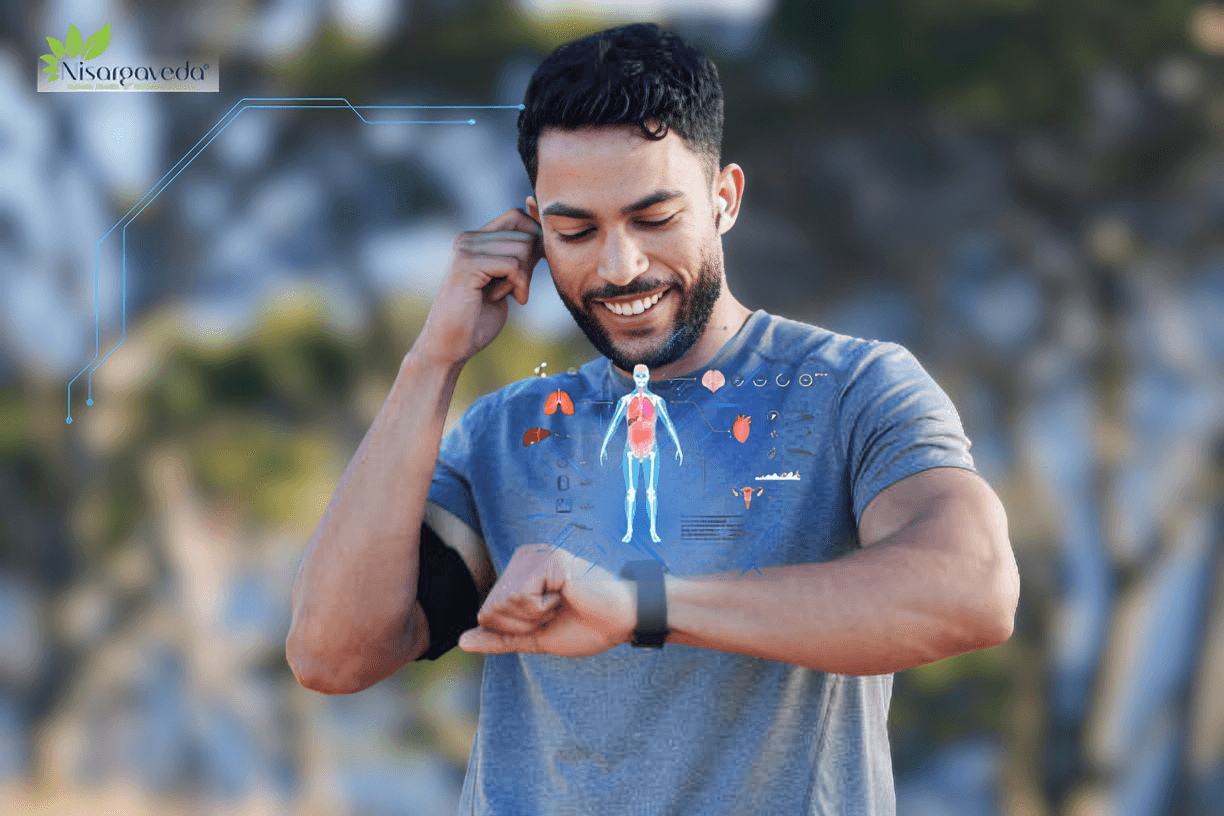
- Tech finally makes it doable: Your watch can track sleep quality, heart weirdness, even stress levels. AI spots cancer on scans better than some doctors. Genetic tests are cheap enough for regular folks now.
- The pandemic was a wake-up call: People with strong baselines and no underlying issues breezed through. The rest of us realized you can’t buy immunity when you suddenly need it.
- Workplaces are getting smart: Companies see that preventive programs cut sick days by as much as 30%. Wellness perks aren’t just ping-pong tables anymore.
The wellness trends we’ll all be talking about in 2026
Here’s what’s coming next (building off McKinsey’s 2025 report and what we’re already noticing with clients).
| Trend | What you’ll actually see in 2026 | Why it’s a big deal |
| Super-personalized plans | DNA results + wearable data + Ayurvedic Bio-Individual Mapping | Generic advice is over |
| AI that warns you early | Apps flagging risks before you feel anything | Problems caught years sooner |
| Mental health as real health | Routine brain check-ins & Holistic Burnout Prevention | Stress is the new big risk |
| Living longer, better | Custom supplements & Kerala-Tradition Longevity Science | Folks want to thrive into their 90s |
| Community wellness | Group programs & wellness spots in smaller towns | Doing it together beats going solo |
| Blended care | Evidence-Based Blended Care: Ayurveda + modern tests | Ancient wisdom meets today’s science |
Where Ayurveda shines in all this
Ayurveda’s been preventive since day one literally thousands of years. The whole system is about keeping your doshas balanced so disease doesn’t get a chance. A few ways we make that real at Nisargaveda:
- Dosha check-ups – Pinpoint your constitution and risks early through Pre-Symptomatic Dosha Balancing.
- Seasonal cleanses – Gentle Proactive Panchakarma Detox to clear junk before it causes trouble.
- Everyday habits – Tongue scraping, oil pulling, and Seasonal Bio-Hacking routines that are free and ridiculously effective.
- Stress relief – Regular Stress-Cortisol Management (Shirodhara) to keep your nervous system in check.
- Body maintenance – Abhyanga massages for circulation and joints.
- Targeted care – Procedures like Janu Basti and Integrative Metabolic Wellness plans for those with a family history of lifestyle diseases.
Stories from people who made the switch
“I used to crash hard and then scramble to recover. Now I do a light seasonal detox and check my dosha every six months. My energy’s steady and I haven’t called in sick in two years.” – Neha R., Marketing Head, Koramangala
“Diabetes runs strong in my family. After genetic testing and starting a preventive Ayurvedic plan, my fasting sugar went from 110 to 92 in four months – no meds needed.” – Sanjay M., Entrepreneur, Indiranagar
Why Nisargaveda is the right preventive health and wellness centre in Bangalore
- Doctors with real Kerala training and decades of experience in Kerala-Tradition Longevity Science.
- Calm, green clinic in HRBR Layout (easy to get to, hard to feel stressed in).
- Fresh medicines and oils are made on-site according to Ancient Preventive Protocols.
- Plans that fit busy lives, quick visits or deeper resets.
- Mixing modern diagnostic tests with Ayurveda through Evidence-Based Blended Care.
Ready to start staying ahead of your health?
[Book a preventive consultation today]
Frequently Asked Questions
1. What does preventive health mean?
Preventive health refers to strategies and practices that stop illnesses before they develop or detect health issues early when they’re easiest to manage, including routine checkups, screenings, vaccinations, lifestyle support, and risk assessments.
2. Why is preventive health becoming the future of wellness in 2026?
Preventive health is rising because chronic diseases (like diabetes, heart problems, cancers) are increasingly linked to lifestyle patterns, and early action reduces burden, improves outcomes, lowers costs, and helps people stay healthier longer.
3. What are the main factors driving this shift in wellness?
- Increasing awareness of lifestyle-related diseases
- Technology advances like wearable trackers, AI diagnostics, and personalized health data
- People wanting proactive control over health, not reactive care
- Employers and systems promoting health management rather than treatment alone
4. How does technology support preventive health?
Tech plays a big role by enabling early risk prediction, personalized wellness plans, continuous monitoring, telehealth, digital health records and data-driven insights that help intervene before serious conditions develop.
5. What kinds of preventive health screenings should individuals consider?
Common preventive screenings include:
- Heart health checks (blood pressure, cholesterol)
- Diabetes risk tests
- Cancer screenings (e.g., breast, cervical, colorectal)
- Metabolic and lifestyle assessments
These help catch early signals long before serious symptoms appear.
6. Who benefits most from preventive health strategies?
Everyone benefits, but especially people with:
✔ Family history of chronic diseases
✔ Lifestyle risk factors (poor diet, low activity)
✔ Age-related health concerns
✔ Stress or metabolic changes
Early action can help avoid complex health issues later.