Abhyanga Massage: Benefits, Procedure & Ayurvedic Oil Therapy Explained
Abhyanga is a classical Ayurvedic oil therapy described in ancient texts for rejuvenation, nervous system balance, and preventive healthcare. Performed using warm, medicated oils and rhythmic strokes, this therapy supports detoxification, tissue nourishment, and overall well-being.
What is Abhyanga Massage
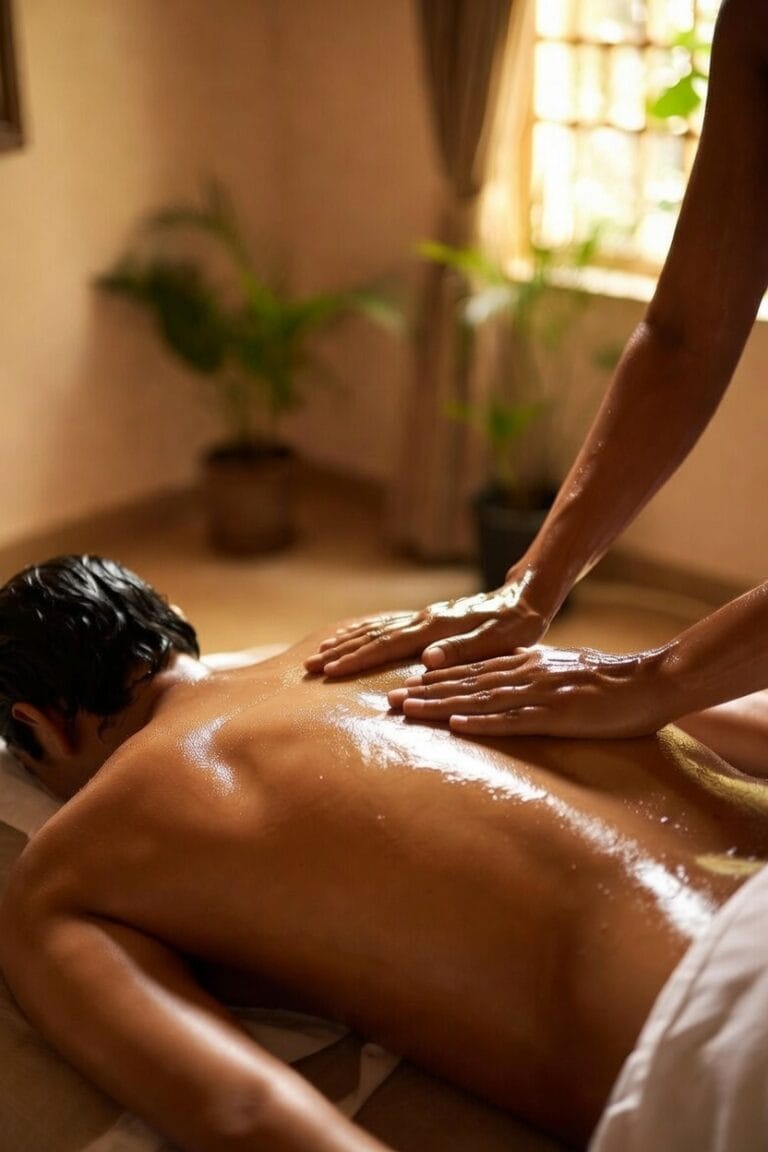
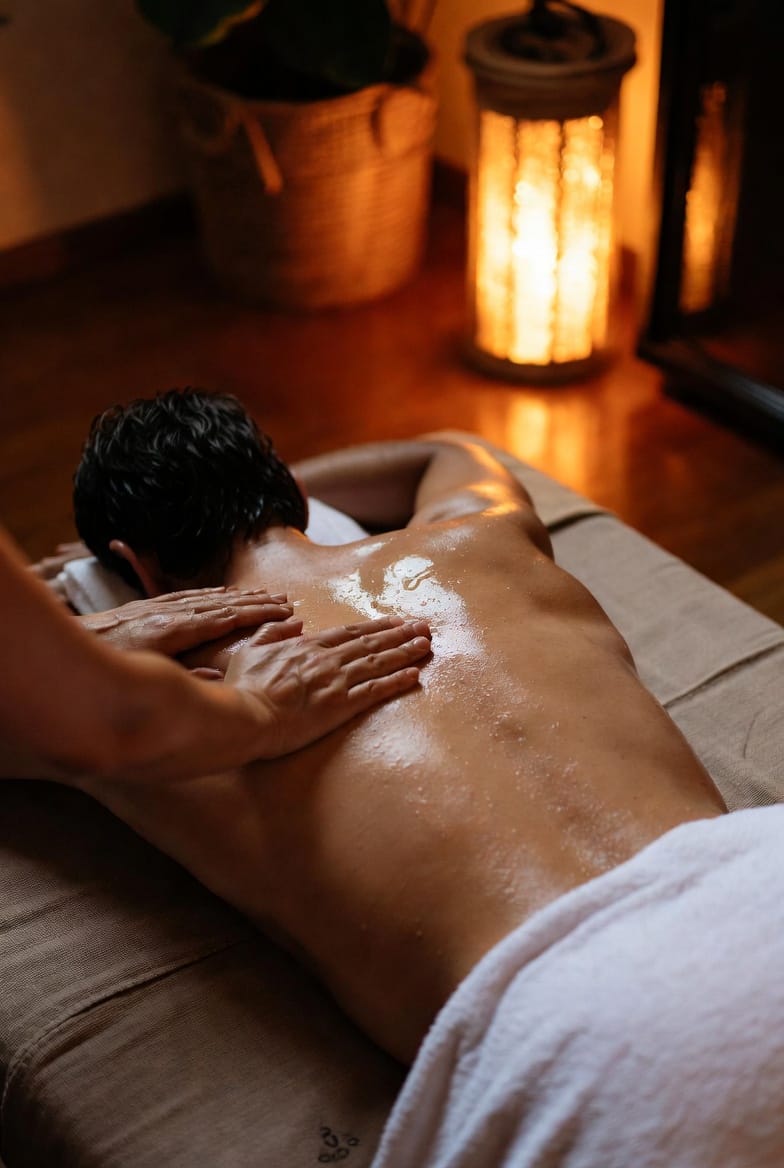
Abhyanga massage is an ancient Ayurvedic practice of “Snehana” or oleation. It involves a systematic full-body application of warm, herb-infused oils. In Sanskrit, Abhyanga stems from Abhi (towards) and Anga (movement), referring to the rhythmic strokes that move toxins toward the elimination channels. Unlike a standard relaxation massage, an Abhyanga full-body massage is a clinical treatment designed to balance the three Doshas: Vata, Pitta, and Kapha. Abhyanga is one of the core therapies offered under our Ayurvedic wellness programs. You can explore all our Ayurvedic massage and therapy services here.
Abhyanga vs. Marma Abhyanga: What’s the Difference?
While both therapies use warm medicated oils, they serve different clinical purposes within Ayurvedic practice. Understanding these nuances helps you choose the right therapy for your current wellness needs.
| Feature | Abhyanga (General Oleation) | Marma Abhyanga (Vital Point Therapy) |
| Primary Focus | Full-body skin nourishment and Dosha balancing. | Activation of 107 vital energy points (Marmas). |
| Technique | Long, rhythmic strokes (Anuloma) following the hair follicles. | Targeted circular pressure on specific anatomical intersections. |
| Main Benefit | Lymphatic drainage, skin health, and general relaxation. | Releasing deep-seated energy blocks and organ-specific healing. |
| Best For | Daily routine (Dinacharya) and stress management. | Chronic pain, neurological support, and energetic recovery. |
Which One Should You Choose?
Standard Abhyanga is ideal for those seeking a “Snehana” (oil-rich) experience to calm the nervous system and detoxify the skin. If you are dealing with specific physical trauma, restricted movement, or wish to balance the flow of Prana (life force) more deeply, a Marma Abhyanga session provides a more clinical, targeted approach.
Looking for deeper healing? Explore our Marma Abhyanga Therapy to learn how vital point stimulation can complement your wellness journey.
The Science and Abhyanga Massage Benefits
Understanding the abhyanga massage benefits requires looking at the skin as an organ of digestion. The medicated oils (Tailams) are absorbed through the Romakupa (pores) to reach the deeper Dhatus (tissues).
Nervous System Regulation: Calms the Majja Dhatu, reducing cortisol and anxiety.
Lymphatic Drainage: Stimulates the Rasa (lymph) to flush out metabolic waste.
Joint Longevity: Lubricates synovial membranes to prevent age-related stiffness.
Circulatory Boost: Enhances blood flow, which is why abhyanga massage at home is popular for corporate professionals and seniors alike.
For deeper detoxification, Abhyanga is often combined with Swedana (herbal steam therapy) as part of a classical Ayurvedic protocol.
Detailed Abhyanga Massage Procedure Step by Step
If you’re unsure about your body type, you can discover your Ayurvedic body type here before booking a session.
Head (Shiro Abhyanga): Targets the central nervous system.
Neck and Shoulders: Releases accumulated physical stress.
The Trunk: Rhythmic downward strokes (Anuloma) to assist digestion.
Extremities: Long strokes on long bones and circular strokes on joints.
Feet (Pada Abhyanga Massage): Stimulates vital Marma points that connect to the eyes and brain.
Safety First: Side Effects of Abhyanga Massage
While generally safe, it is important to understand the side effects of abhyanga massage when performed incorrectly or at the wrong time. Because the massage mobilizes toxins (Ama), it should be avoided during:
Acute Illness: Fever or flu can be worsened by moving toxins through the blood.
Indigestion: It can interfere with the Agni (digestive fire).
Menstruation: Deep massage may lead to excessive blood flow.
Integrating Wellness: Abhyanga Self-Massage
For long-term health, Ayurveda recommends abhyanga self-massage as part of a daily Dinacharya (routine). While a professional session provides deep tissue detoxification, daily self-application of oil helps maintain skin elasticity and Vata balance.
Why Choose Nisargaveda for Your Home Wellness?
Authentic Kerala Tradition: Our techniques are rooted in authentic Vaidya traditions.
Expert Oversight: Unlike “on-demand” apps, our therapists are supervised by our team of seasoned practitioners.
Hygiene First: We provide disposable sheets and professional kits to ensure your home remains pristine.
Hyper-Local Expertise: Whether you need a massage in Kalyan Nagar, Hennur, or Central Bangalore, we bring the healing touch to your doorstep.
Essential Aftercare Guidelines
To reap the full rewards of your Ayurvedic home service, follow these post-session tips:
The 30-Minute Rule: Wait at least 30–45 minutes before showering to let the oils nourish the Dhatus.
Snana (The Bath): Use lukewarm to hot water. In Ayurveda, hot water on the body and lukewarm water on the head is the standard.
Hydrate: Drink warm herbal water or ginger tea to assist the detoxification process.
Avoid Exposure: Stay away from direct AC drafts or heavy wind immediately after the session.
Professional Abhyanga Therapy at Home in Bangalore
For individuals who prefer receiving Ayurvedic therapy in a familiar environment, Nisargaveda offers professionally administered Abhyanga sessions at home across Bangalore. Each session follows classical Ayurvedic protocols and is conducted by trained therapists under the guidance of experienced Ayurvedic practitioners.
Our home therapy service is available in Kalyan Nagar, HRBR Layout, Kasturi Nagar, Hennur, Babusapalya, Kammanahalli, Chellikere, and Horamavu, ensuring the same clinical standards and hygiene practices followed at our wellness centre.
Trusted Reviews from Our Patients
I travel long since my relatives are here, I travel from Hoskote, to get massage I take a day off and relax in this homely Atmosphere.My entire near, far relatives and friends I have recommended this place very homely and i brought my daughter too. This is a trusted place, genuine and clean too. Any health issues or advice also is given here. Highly recommend this ayurvedic centre Nisargaveda health and wellness.
Had an amazing massage therapy session at Nisargaveda. Megha was excellent. She was very sensitive and put only as much pressure as I was comfortable with. She definitely is a well trained massage therapist. Place is very clean which is of foremost importance to Thank you Megha and Esther for a great experience.
I’m truly grateful to Nisargaveda Wellness Centre for their amazing support in my health journey. With their guidance, my thyroid levels have improved significantly from 11 to 3.5, and I’ve also found great relief from IBS. I feel so much better and healthier now.Dr. Aishwarya is extremely professional and a wonderful doctor who makes you feel cared for at every step.Megha and Esther are not just great therapists but feel more like family, always warm and supportive.Highly recommend Nisargaveda for anyone looking for holistic healing and genuine care!
Frequently Asked Questions
Abhyanga full body massage is a cornerstone of Ayurvedic therapy. It involves the systematic application of warm, herb-infused oils from the scalp to the soles of the feet. Unlike a standard spa treatment, it is a clinical practice designed to move toxins (Ama) out of the tissues and balance the body’s internal energies (Doshas).
The "best" oil depends entirely on your body type (Prakriti). Generally:
Vata (Dry/Cold): Sesame oil or Dhanwantharam Tailam are ideal for their warming and grounding properties.
Pitta (Heat/Sensitive): Coconut oil or Ksheerabala Tailam provide a cooling effect.
Kapha (Oily/Heavy): Mustard oil or Karpasasthiyadi Tailam help stimulate circulation and reduce heaviness.
To perform a traditional session, follow these key steps:
Warm the Oil: Never use cold oil; warm it gently in a water bath.
Start at the Crown: Begin with the head (Shiro Abhyanga).
Long and Circular Strokes: Use long strokes on your limbs and circular motions over your joints.
Direction: Always move toward your heart or in downward "Anuloma" strokes to assist the natural flow of energy.
The ideal time is in the morning, before your bath or shower. This aligns with the body's natural detoxification cycle. However, it should be avoided if you have a fever, acute indigestion, or during the first three days of menstruation.
For general wellness and anti-ageing, Ayurveda recommends Abhyanga as a daily practice (Dinacharya). If a daily routine is not possible, aiming for 2-3 times a week still provides significant benefits for the nervous system and skin health.
Post-massage care is crucial for the treatment to work:
The 30-Minute Rule: Allow the oil to stay on the skin for at least 30–45 minutes so it can penetrate the deeper Dhatus (tissues).
Warm Bath: Use lukewarm to hot water to help open the pores and further flush out toxins.
Hydrate: Drink warm herbal tea or ginger water to support the digestive fire (Agni).
Rest: Avoid strenuous exercise or exposure to cold drafts immediately after the session.
If you are booking an Ayurvedic massage home service in Bangalore, our doctors typically recommend Dhanwantharam or Mahanarayana oils. These are "medicated tinctures," meaning they have been infused with dozens of herbs to treat specific issues like joint pain or muscle fatigue, rather than just using plain base oils.
Latest News & Article

Ayurvedic Herbs That Ease Joint Pain Naturally | Nisargaveda Bangalore
The Holistic Path to Pain-Free Living In the fast-paced life of cities like Bangalore, joint
7 Ways Ayurvedic Prenatal Massage Relieves Leg Swelling and Back Pain
Pregnancy is often described as a sacred journey of transformation, but for many expecting mothers
The Ayurvedic Spring Detox
The Ayurvedic Spring Detox: Why March is the Best Time for Panchakarma in Bangalore The
Prenatal Pregnancy Massage in Bangalore Relaxation Relief Wellness
Introduction The journey to motherhood is a beautiful transformation, but it is also one that